Lion ardent
ou la confession de Léonard de Vinci
Léonard agonise à Amboise. Il se confie à Francesco Melzi, son dernier jeune « compagnon ». Mais c?est Salay qu?il voudrait à son chevet, Salay, le traître, le fils selon son coeur qu?il préfère à tous ses disciples. Que n?a-t-il réussi à garder l?amitié de ce beau Ganymède, lui qui a conçu tant de machines volantes ! Que ne s?est-il changé en aigle comme Zeus pour l?emporter sur l?Olympe ! Léonard évoque avec nostalgie l?époque où, flanqué de cet adolescent insolent et voleur, il sillonnait l?Italie en quête de reconnaissance. Il raconte ses désillusions, son emprisonnement à la suite d?une affaire de moeurs à vingt-quatre ans, sa lutte pour conserver l?estime de son père naturel, son impuissance à se rapprocher de sa mère, cette femme simple qu?il recueillit après son veuvage. Il raconte aussi la grossièreté du duc de Milan, le dédain de Michel-Ange, le génie du jeune Raphaël qu?il admirait, et jalousait plus encore. Il raconte, enfin, comment, malgré son orgueil et sa mauvaise réputation, il résista à ses détracteurs, avant de s?en remettre à la protection de François ier, faute de ressources. Et Léonard de Vinci, qui aimait à se représenter en Lion ardent, succombe au doute autant qu?à la maladie. « La gloire qui m?était promise ne m?est point échue, tant pis », s?écrie-t-il sur son lit de mort.
Le sucre
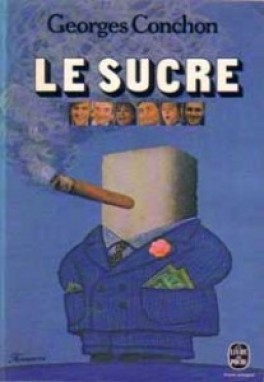
L'inspecteur des impôts Adrien Courtois épouse sur le tard une pharmacienne, laquelle fait bientôt un assez coquet héritage. Pour gérer ce magot, et sûr de son expérience, Adrien n'hésite pas à prendre sa retraite. Huit mois après, il se retrouve ruiné. Malgré sa compétence, malgré sa méfiance professionnelle, le malheureux s'est fait piéger dans cette énorme affaire de sucre - un trou de 66 milliards - qui, en 1974-1975, agita le monde de l'argent. Dans ce roman, on retrouve la verve la plus cruelle de L'état sauvage, avec le sens du récit qui a fait le succès de L'Amour en face. Comme le héros, on ne peut se détacher de l'engrenage infernal du sucre.
La chambre aux pipistrelles
En 1840, au sein de la bonne société de Clermont-Ferrand, la jeune Hortense évolue dans le secret de son histoire familiale et s'éveille aux idées modernes. Hortense vit chez sa grand-mère, aristocrate auvergnate à Bellemaison, proche du domaine de Randan. Faisant fi des manières et des usages de son rang, la jeune fille fréquente Procule, fille et petite-fille de guérisseuses, et est révoltée par le sort misérable réservé aux métayers du domaine. L'histoire familiale de la jeune fille est riche en secrets et en drames. Hortense devient bientôt la protégée d'une amie de sa mère, Delphine Beaumont, qui gravite dans la haute société clermontoise. Là, elle fait la rencontre déterminante d'hommes et de femmes progressistes et passionnés. Parmi lesquels Anatole, dont elle tombe amoureuse... A travers ce roman où s'entremêlent intrigues familiales et amours interdites, Anne Courtillé évoque la création des premières crèches et du chemin de fer, le progrès scientifique avec le savant Lecoq, le socialisme en marche, et peint la ville de Clermont-Ferrand, qui lui est si chère.
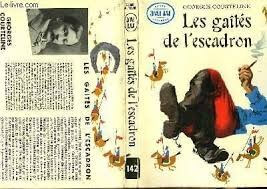
Les Femmes d'Amis
Les femmes d'amis, d'accord, c'est sacré. Mais le hasard on les amis eux-mêmes aidant, il arrive que l'on se plonge malgré soi dans des
aventures peu ordinaires, d'où l'on ressort sans femme et sans amis, tout quinaud, ou, ma foi, tout content de s'en être tiré à si bon
compte! D'autre part, se méprendre sur ce qu'attend de vous la femme d'ami qui vous entraîne au domicile conjugal passé minuit quand son
mari voyage comporte des surprises si l'héroïne a le plumage aussi blanc que la douce oie nommée Madeleine.
C'est que les femmes d*amis ont un drôle de caractère, témoin Henriette l'éternelle insultée, ou Margot l'anémique.
Courteline compose cette galerie de portraits avec la malice et la finesse d'observation qui font le succès de son théâtre. Rien n'y
manque, pas même la cruauté du sort et la sottise de l'administration. C*est la vie vue par un humoriste qui sait être féroce à bon
escient.
Parc Gorki
A triple murder in a Moscow amusement center: three corpses found frozen in the snow, faces and fingers missing. Chief homicide investigator Arkady Renko is brilliant, sensitive, honest, and cynical about everything except his profession. To identify the victims and uncover the truth, he must battle the KGB, FBI, and New York police as he performs the impossible--and tries to stay alive doing it.
Un brillant avenir
This earlier novel centres around a Romanian woman named Elena/Helen, and her journey to build ‘a brilliant future’ for herself and her
family.The story also geographically spans many countries and addresses what seem to be Cusset’s favourite themes; culture shocks,
difficulties in adjusting to a new life in a new country; and how easily we can misunderstand our loved ones.
Un jeune couple
Well-drawn characters, snappy dialog, and a glimpse of what life was like in Paris in the 60s for a certain social class.
The author perhaps conceives this novel to be a critique of consumer society, but it seemed to be more about how a lack of self-awareness
dooms relationships.
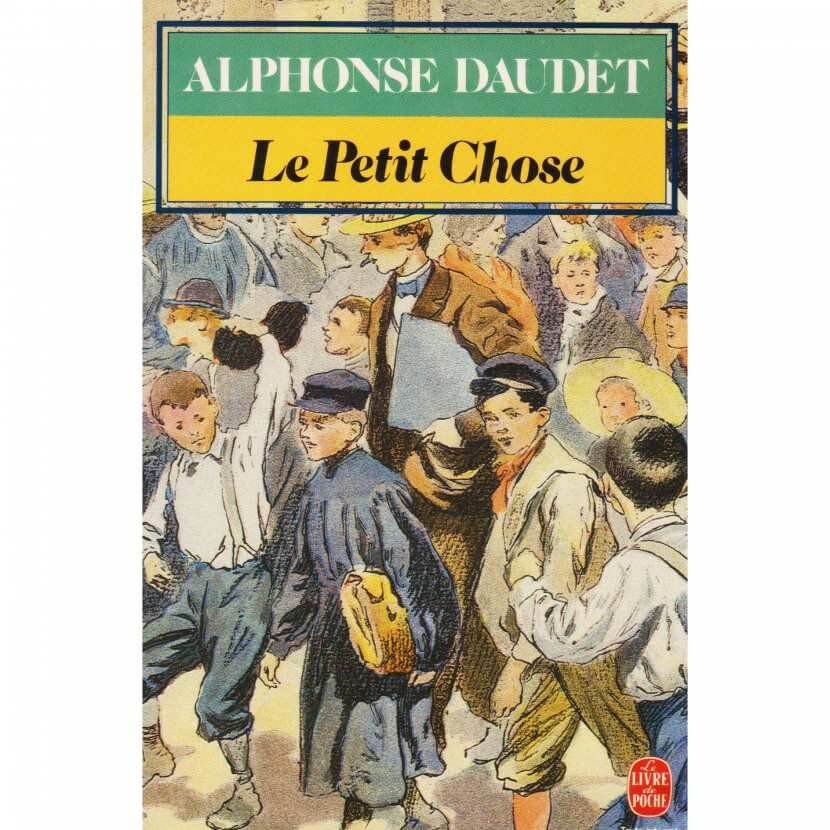
Le Petit Chose
Like David Copperfield Le petit chose (Little
What's-His-Name)
is semi autobiographical work.
This is a story of young, petit Daniel. He was born in wealthy family but soon after his birth family's fortune turned for the worse.
Daniel is spineless and faint-hearted but at the same time he is well wishing and meaning, good and naive that I found myself liking him
very much.
Voyage d'une Parisienne à Lhassa
In order to penetrate Tibet and reach Lhasa, she used her fluency of Tibetan dialects and culture, disguised herself as a beggar with yak
hair extensions and inked skin and tackled some of the roughest terrain and climate in the World. With the help of her young companion,
Yongden, she willingly suffered the primitive travel conditions, frequent outbreaks of disease, the ever–present danger of border control
and the military to reach her goal.
The determination and sheer physical fortitude it took for this woman, delicately reared in Paris and Brussels, is inspiration for men and
women alike.
David–Neel is famous for being the first Western woman to have been received by any Dalai Lama and as a passionate scholar and explorer of
Asia, hers is one of the most remarkable of all travellers tales.
Ma princesse chérie
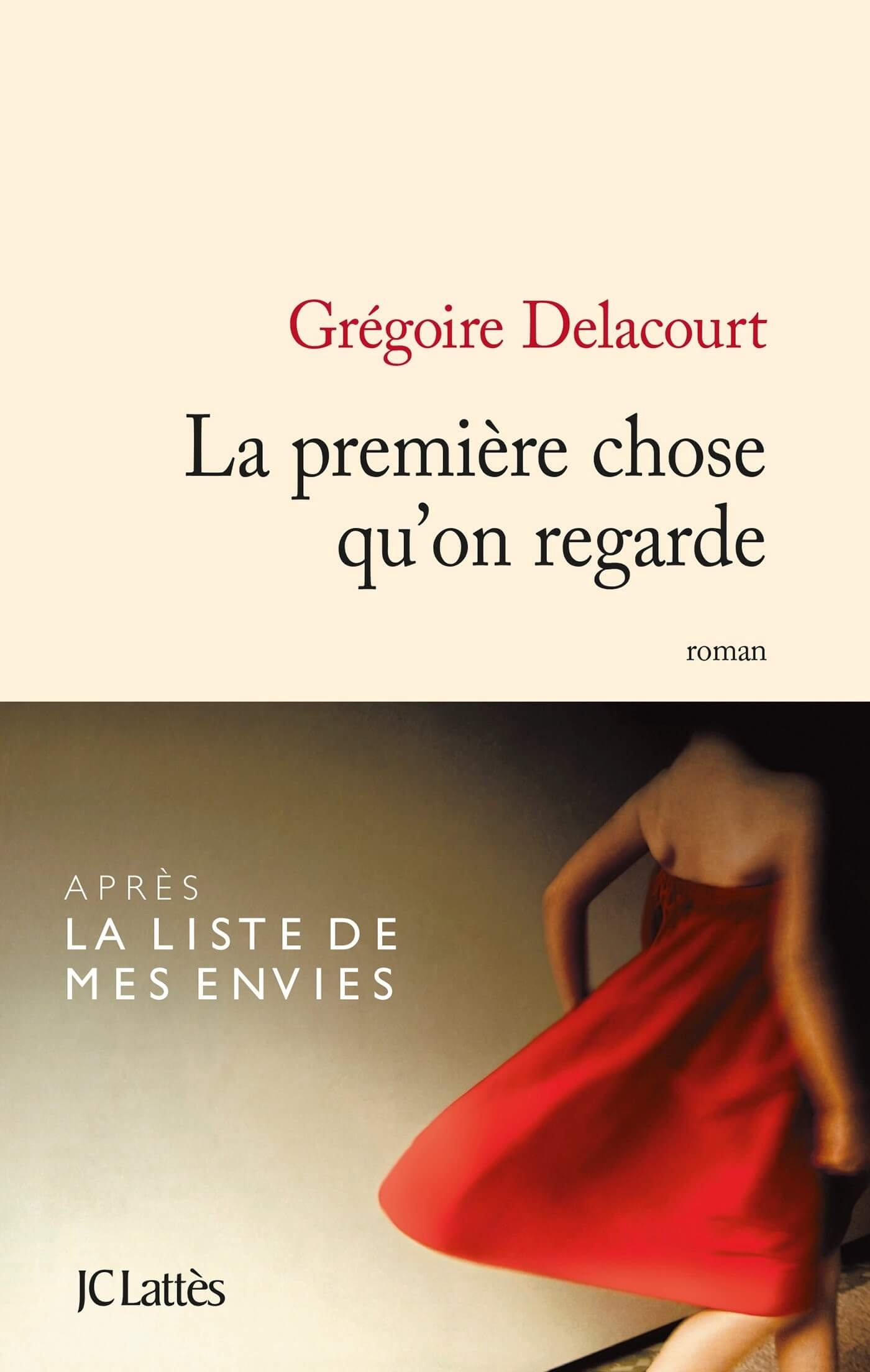
La première chose qu'on regarde
THE FIRST THING YOU SEE ... isn't always what you get! The brilliant new novel from the author of THE LIST OF MY DESIRES, a Waterstones
Book Club pick and international bestseller.
Arthur Dreyfuss is a young mechanic at a garage in the little community of Long, France. He has a small flat and leads a simple life. So,
imagine his surprise when he opens his door one evening to find a distraught Hollywood starlet standing before him.
But although feigning an American accent, this woman is not all that she seems. For her name is actually Jeanine Foucamprez - and her
story is very different from the glamorous life of a star. Arthur is not all he seems, either; a lover of poetry with a darker past than
one might imagine, he has learnt to see beauty in the mundane.
A tender story about two fragile souls trying to love each other, THE FIRST THING YOU SEE will convince you that true beauty lies within.
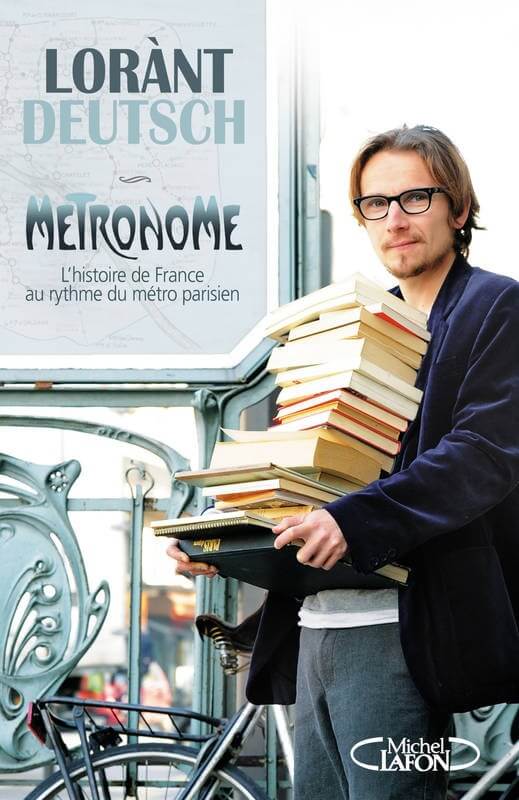
Métronome
L'histoire de France au rtyhme du métro parisien
The Métro subway system of Paris constantly carries residents, commuters, tourists, travelers, and visitors beneath the streets of the French capital – 4 million people a day, 1.5 billion a year. The Art Nouveau style in which a number of the Métropolitain station entrances were designed reinforces the visitor’s sense that in Paris, everything is a work of art. The Métro is a vast circulatory system for the human life of Paris; and for Lorànt Deutsch, the Métro is at the very heart of the city.
Boomerang
Entirely set in France in the present day and in 1974, A SECRET KEPT begins when Antoine Rey, a divorcee in his mid-forties, takes his
sister, Mélanie, to their childhood vacation spot, Noirmoutier Island, for her fortieth birthday. Passage to the island is made on a
causeway called Le Gois, a road that is only passable at low tide and which becomes treacherous in moments once the water rises. They make
the passage and spend an idyllic time on the island, but the devastating events following their holiday set in motion a search for clues
surrounding the untimely death of their mother when they were children.
Kétala
The story plays with the idea of oral tradition, having the objects of Memoria's house tell the author's life story, in order to preserve it since they fear the ketala, the sale of all her possessions a week after her death.
Inassouvies, nos vies
Lots of passages of reflection and polemic on the business of life in the person of Betty the protagonist e.g. don't try and counter the melancholy of life with a false euphoria....
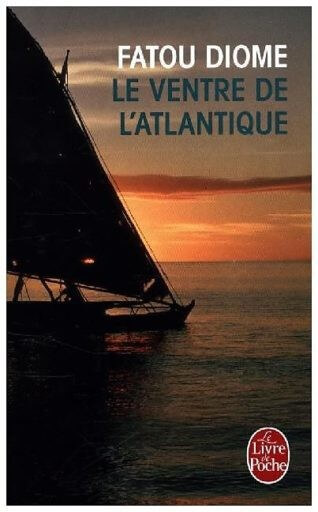
Le Ventre de l'Atlantique
The story focuses on a Senegalese brother and sister, Salie (the sister) who has moved to France as part of what became a failed marriage and Madicke who lives for football on the small offshore island of Niodior; he is desperate to reach Europe as well, to pursue his soccer dreams. The interplay between the two, their tensions and their emotional ties, combine with skilled insights into the communities each now inhabits, to give us a portrait of the immigrant's struggles in a harsh environment, the limited opportunities that fuel the drive to nevertheless pursue that route for the brother, and the constant yearnings that mark each end of such journeys (the sister's sense of deep homesickness and the brother's envy that he is not where his sister is.)
Chefs-d'oeuvres
An anthology of the contemporary French Novel
1919-1949
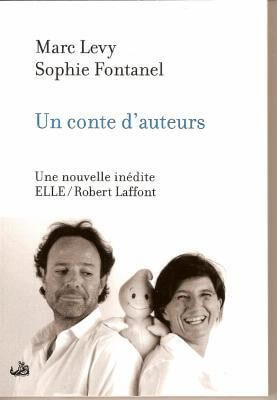
Un conte d'auteurs
Une nouvelle inédite
They are writers.
He loves what she writes but it might not be the same way for her.
They only have the same publishing house in common...and a letter box in the office.
Sur les routes de France
de France, ou bien d'ailleurs!
This book describes a journey that might have taken place in 1959. If the Duttons had returned to France in 1960, they would have found that certain changes had taken place since their previous viist.
Peste & Choléra
Paris, May 1940. Nazi troops storm the city and at Le Bourget airport, on the last flight out, sits Dr Alexandre Yersin, his gaze politely turned away from his fellow passengers with their jewels sewn into their luggage. He is too old for the combat ahead, and besides he has already saved millions of lives. When he was the brilliant young protege of Louis Pasteur, he focused his exceptional mind on a great medical conundrum: in 1894, on a Hong Kong hospital forecourt, he identified and vaccinated against bubonic plague, later named in his honour Yersinia pestis. Swiss by birth and trained in Germany and France, Yersin is the son of a European tradition of endeavour; but he has a romantic hunger for adventure, fuelled by tales of Livingstone and Conrad, and sets sail for Asia. A true traveller of the century, he wishes to comprehend the universe. Medicine, agriculture, the engine of the new automobile, all must be opened up, examined and improved. Ceaselessly curious and courageous, Yersin stands, a lone genius, against a backdrop of world wars, pandemics, colonialism, progress and decadence. He is brought to vivid, thrilling life in Patrick Deville's captivating novel, which was a bestseller and shortlisted for every major literary award in France
Notre siècle
edited by George Strauss
This lively and interesting selection from twentieth-century French writers ranges from André Gide to Albert Camus. The editor, former senior lecturer in French at Monash Teachers' college, Melbourne, has taken care to select extracts which are not only of literary merit but adventurous and entertaining in themselves, and which should appeal to boys and girls studying French in the senior forms.
Extracts are prefaced by a short note on the author and an introduction to the passage itself (in English); each extract is followed by exercises and essay suggestions (in French). There is an extensive vocabulary at the back of the book, and footnotes thoughout the text to words and phrases which might prove immediately difficult in the course of reading.
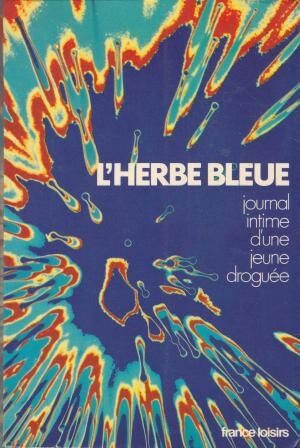
L'herbe bleue
journal intime d'une jeune droguée
It started when she was served a soft drink laced with LSD in a dangerous party game. Within months, she was hooked, trapped in a downward
spiral that took her from her comfortable home and loving family to the mean streets of an unforgiving city. It was a journey that would rob
her of her innocence, her youth -- and ultimately her life.