Institut Pasteur
Le Musée La grande Bibliothèque La chapelle Funéraire
Philosophies de tous les temps
Grâce au livre de Dom AngelicoSurchamp, Albert Roussel occupera la place de choix qui lui revient : celle de l'un des plus grands compsiteurs français. Une biographie fervente et une analyse de l'oeuvre si riche de l'auteur de la " Suite en Fa ".
Des écrivains classiques toujours jeunes. Une vie Un tableau synoptique de concordance des événements littéraires et historiques. Un " climat " reconstitué par une abondante documentation iconographique. Une étude critique. Une bibliographie. Les principaux jugements sur l'oeuvre de chaque écrivain. Des textes éternels.
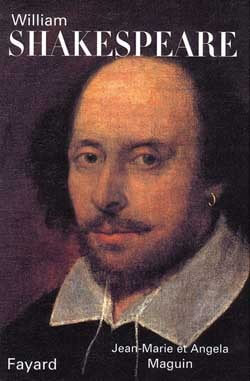
Who is William Shakespeare, become synonymous with the most famous poet of Western culture, or even the whole world? By which way
the son of the ruined bailiff of Stratford-upon-Avon, forced to marry an eight-year-old senior at age eighteen, became the playwright
admired and ambitious revealed, ten years later, by the London theaters? What was he doing during the ten years that he loses his trace
between Stratford and London? What is the origin of his fortune
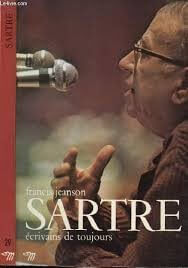
Si les années qui ont suivi sa mort ont vu le retour du réalisme politique et de la résignation cynique, les bouleversements liés à la mondialisation contemporaine font revenir aujourd'hui la figure de celui qui a conjugué la révolte et I'esboir. Mais elle ne revient pas telle quelle et nous apparaît, vingt-cinq ans après sa mort, avec une formidable complexité. L'énergie et la course de Sartre ont traversé des pensées, des livres, des êtres, des lieux, des histoires, pour les inquiéter et les dépasser. Toujours en avance sur ses propres travaux, l'auteur a laissé inachevés quantité de ses livres. L'impossibilité de terminer, par excès d'écriture et d'idées, le caractérisait au point de produire des objets monstrueux, à la fois massifs et débordants, déboussolant tous les standards. On ne le voit jamais s'arrêter ni d'écrire, ni d'apprendre, ni d'aimer, ni de s'engager, ni de voyager. Lui-même tentait de rattraper son vertige, moins pour assurer son trajet qu'afîn de projeter plus avant les révolutions qui le faisaient avancer. Il a dit ce mouvement par la figure de la ibirale, la reprise tournante du passé qui se nourrit du tour infini et récupère ses anciennes voltes. . (Verlagstext) ISBN 2914935366 Sprache: Deutsch Gewicht in Gramm
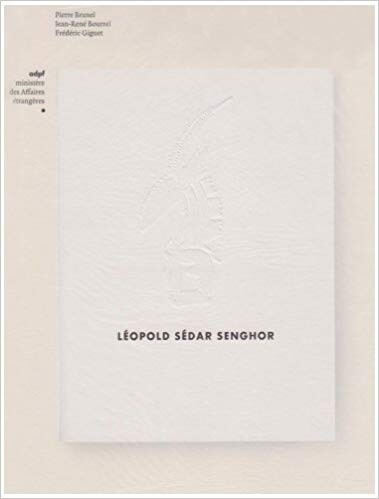
Cet ouvrage, proposé pour l'année du centenaire de la naissance de Léopold Sédar Senghor, n'est pas une présentation scolaire ou didactique. Il veut être, au sens fort du terme, une illustration. D'abord par l'iconographie, riche, neuve, variée, suggestive, un Senghor en images qui apparaît comme porteur de cette " Vie couleur de présence ", qu'il sentait renaître dans son " Elégie des eaux ". Ensuite par les citations, qui viennent moins à l'appui du texte de présentation qu'elles ne le suscitent. C'est à Senghor lui-même que sont empruntées les trois têtes de chapitres ; là où d'autres imposeraient des concepts, il offre, en poète, des images. La première, " le Royaume d'enfance ", désigne son lieu d'origine, domaine de la poésie et de la grâce qui lui est attachée. La deuxième, " la Négritude ", autre royaume, le royaume mythique de l'Ethiopie, celui de la reine de Saba, regroupe le " pays noir ", la " femme noire ", les langues, les coutumes, les trésors de l'Afrique. Quant à la troisième, " la civilisation de l'universel ", non pas mot d'ordre lancé par un homme politique, elle est inséparable de la conviction " catholique ", au sens le plus large du terme, d'un poète qui n'a pas pour autant renoncé au culte de ses ancêtres. Une telle illustration se passe de défense. Senghor, désormais considéré comme un classique, est aussi un moderne par la nouveauté d'un langage " mixte " et par son ouverture sur le monde tel qu'il l'a connu. L'ensemble de son uvre est une défense et illustration de la langue française qui lui assure une place majeure au sein de la francophonie.
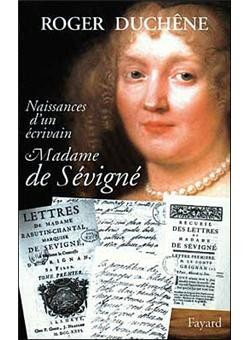
Madame de Sévigné
Of the first known mention of a letter of Madame de Sevigne (1645), of her first letter preserved (March 1648), of her letters of
schoolgirl "to his learned friend Ménage, from his brilliant report in 1664 on the trial of Superintendent Foucquet until his first
letter to his daughter, February 6, 1671, the day after his forty-five years, then to the last sent Lambesc, in Provence, the 20
December 1695, how many "births" to writing! It is printed for the first time just after
died in April 1696. But his letters to his daughter do not appear until thirty years later. We have to wait another thirty
years to have an allegedly complete edition. Found in 1873, a partial copy of the same letters shows them in writing
otherwise and reveals unknown texts. New birth of the same writer ... In order that these successive births took place, it was necessary
many miracles. Parallel to the biography of Mme de Sevigne, this biography of her work shows when, how and why
private letters of a woman who had lived, she said, "without distinction and without distinction" became over time the
masterpiece of the epistolary literature. De La Fayette, Ninon de Lencls, La Fontaine, and recently Marcel Proust, Roger
Duchêne has written landmark biographies. First, reviewed and completed on the occasion of the tercentenary of his death, that of
Madame de Sevigne. "
Voltaire entre la légende et l'histoire
" Ne fera-t-on jamais taire cet homme ? ", aurait dit Louis XV excédé. De fait, sans doute parce que la censure et les hommes de pouvoir ont cherché sans relâche à le bâillonner, Voltaire a crié toute sa vie plus fort que les autres.
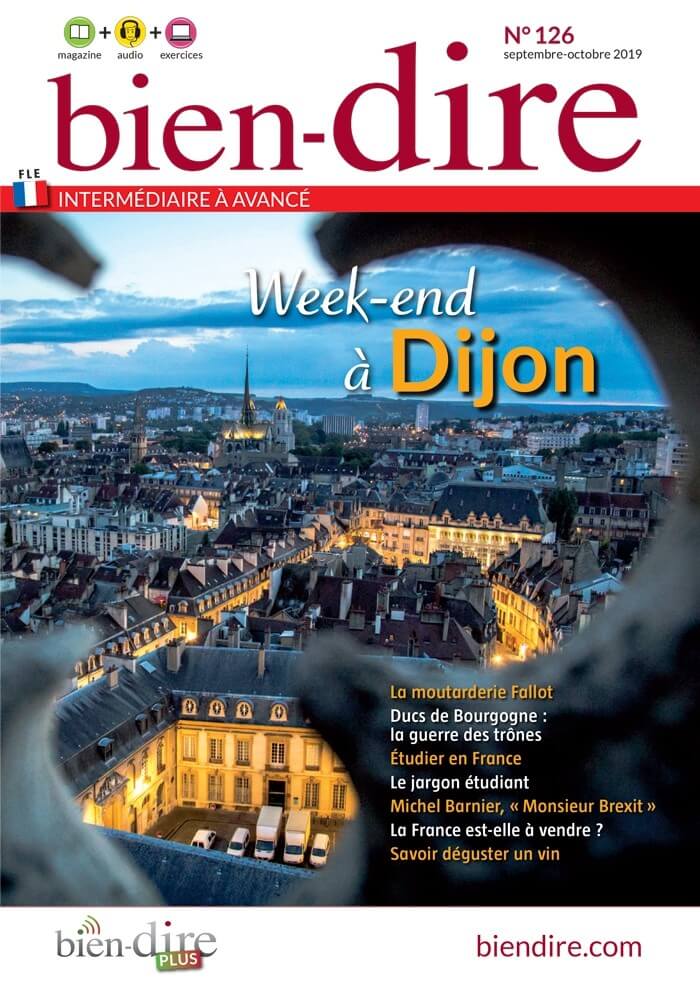
This monthly periodical is exclusively written for French intermediate and advanced learners.You will find articles with vocabulary about different topics such as politics, cooking, arts and culture as well as a short story and some activities on the French language. You can hear all the articles in the CD that goes with the magazine
Mac
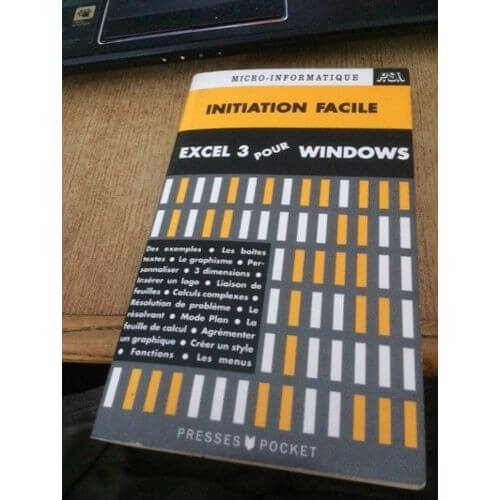
"Easy Initiation" is for beginners taking their first steps in using the great products of micro-information.Based on the practice, these books can quickly exploit the possibilities of software, while discovering and understanding their functions, instructions or commands.
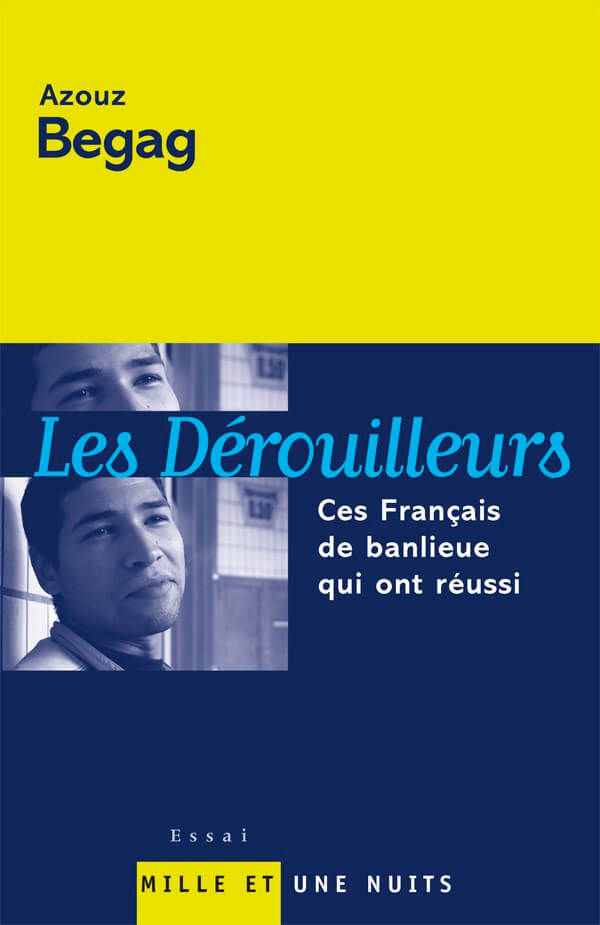
Ces Français de banlieue qui ont réussi
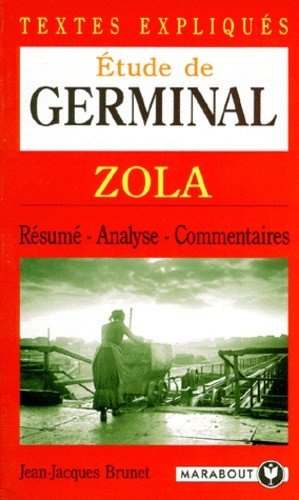
Azouz Begag was born in Lyon in 1957. Sociologist of the city, he is the author of many novels, including Le Gone du Châaba, witches price, 1987), Zenzala (Seuil, 1997), Ahmed of Burgundy (Seuil, 2001) and tell Oualla! (reissued to Thousand and One Nights, 2001). Delivered Stunned, aware of the symbolic burden of this football match called the reconciliation between France and Algeria, Azouz Begag returns on this episode of the Stade de France because if the doors of the stadium are closed, the wounds remain open, the gaping questions about the integration, patriotism and citizenship of these neighborhood youth. The Dérouilleurs is devoted to the history of the first children of the suburbs of the 70s and 80s, who had to "tear themselves away" to make a success of their life and learn to cope with the demands of the French integrationist, individualistic spirit; they had to learn to play cultural, social and geographical distances in order to invent personal distances and become average French, or to be seen as such in the city of others. Or, full of integration, not to be seen at all. Become invisible. This book is from a series of interviews with a hundred rustlers, men and women, in their forties, having spent part of their lives in a sensitive neighborhood.
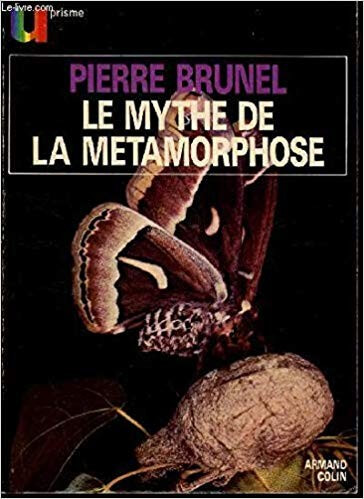
Uprisme
"Metamorphosis": the word evokes surprising phenomena that one observes in nature.It also evokes fables that are often considered as insignificant Pierre Brunel found one of our deepest myths. examples to all literatures, from the oldest to the most contemporary, from Scandinavian "Eddas" to Japanese "Koji-Ki", he studies more particularly some major texts: "Les Metamorphose" by Ovid, "L'Ane d ' gold "of Apuleius," Alice in Wonderland "[...]
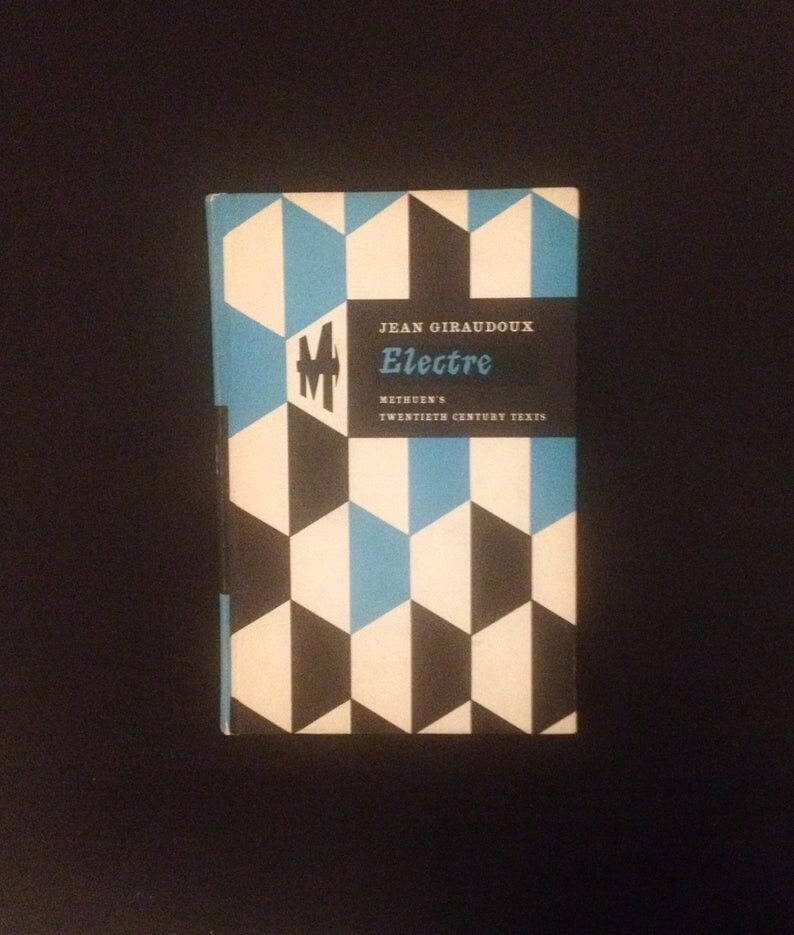
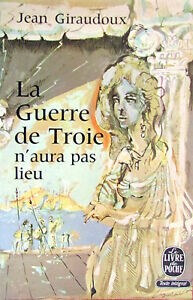
Jean Giraudoux was the leading figure of the French theatre between the wars. He re-introduced to the theatre nobility, dignity and the sense of tragedy. electre is one of the best of his classical plays and is an excellent example of Giraudoux's unique prose style, and his pre-occupation with moral problems and eternal truths. This edition includes an introduction and notes
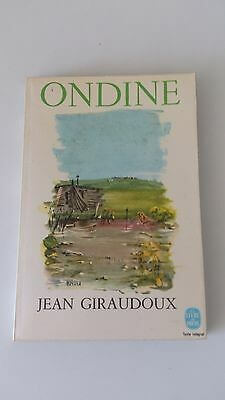
This is brilliant! The book description may suggest an old-fashioned love tragedy, which is not inaccurate, but this is so much more. Witty,
funny, surreal.
Ondines (or undine) are water spirits, some kind of relatives to mermaids. The heroine,
simply named Ondine, is pure, honest, infinitely loving . . . exactly the type to cause problems in the human society. She falls in love
with a man. Someone is destined to die . . .
A collection of 5 plays by André Gide.
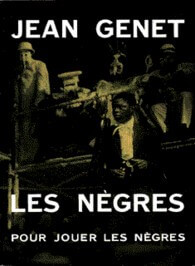
Amazing! The clown show as ritual performance of black resentments against the white oppressor. This turns out to be an elaborate artifice that conceals another act offstage. A powerful yet playful vision of revolutionary terror.
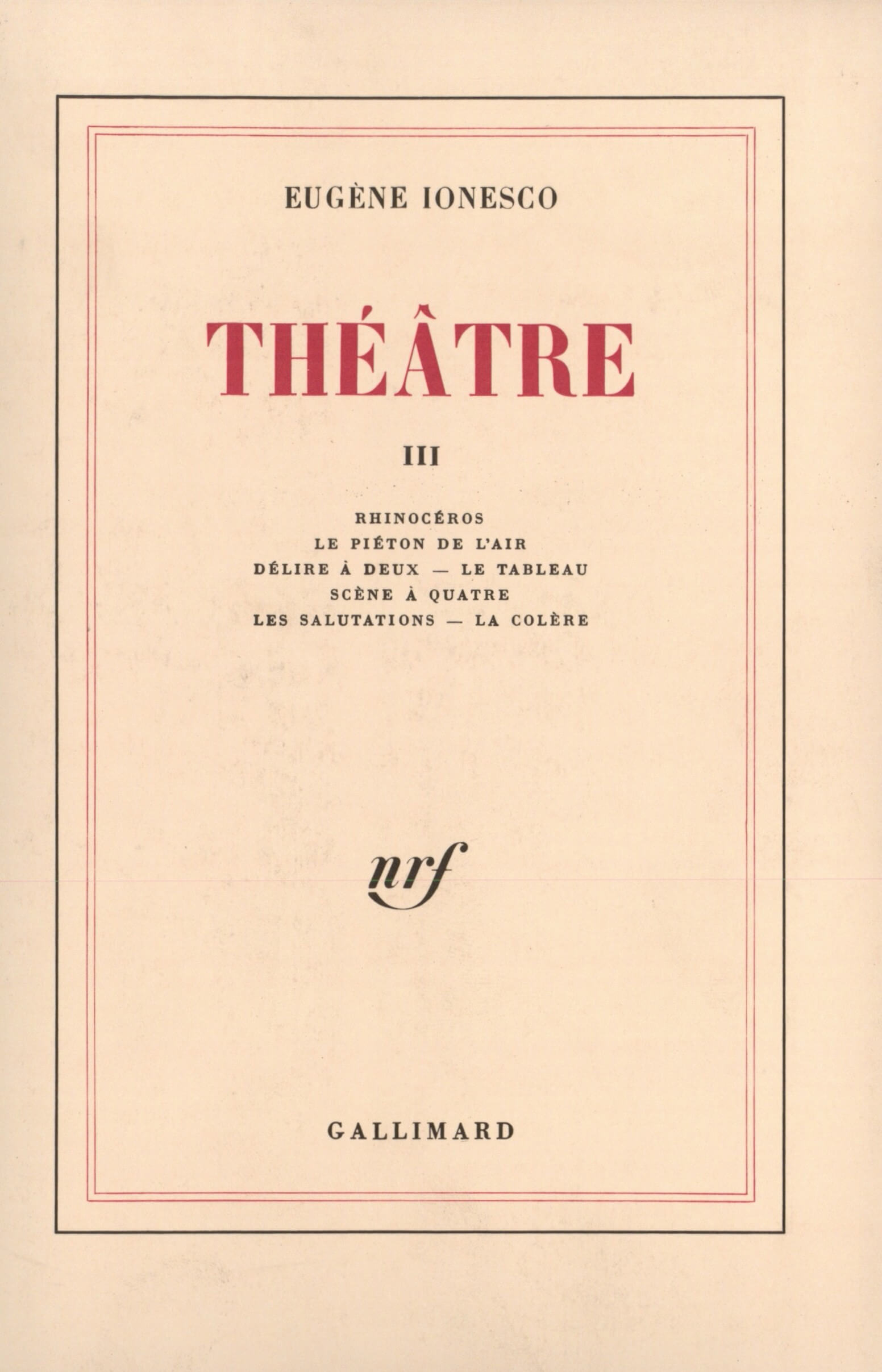
An interesting glimpse into Eugene Ionesco's mind. The entries move from psychology, to dream recollections (lots of those), to literature, politics, and back again. It's rather gloomy, but the parts where he discusses language and the human condition are quite enthralling.
It is not about the death of a king. This death only illustrates absurdly what we should read between the lines.
This is so much more about how we let ourselves be conducted peaceful and unquestioned all our lives to understand life itself and then when
faced with death, we see that we have never understood nothing of it and we are still unprepared for the pain or bereavement.
Or it could be seen as how difficult is to part from a loved one, not only by death, but by a divorce or when our children go to live their
own lives. How should we deal with it?
How should we proceed when everything seems to be falling apart, but yet it's just life taking its inevitable course of disintegration and
reshaping itself.
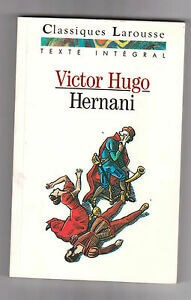
An obligatory for classic lovers.
Hernani is a play written in alexandrines, which takes place in Spain at the beginning of the reign of Charles Quint: history, political plots, intrigues, love ... but also humour and a mix of grotesque and sublime
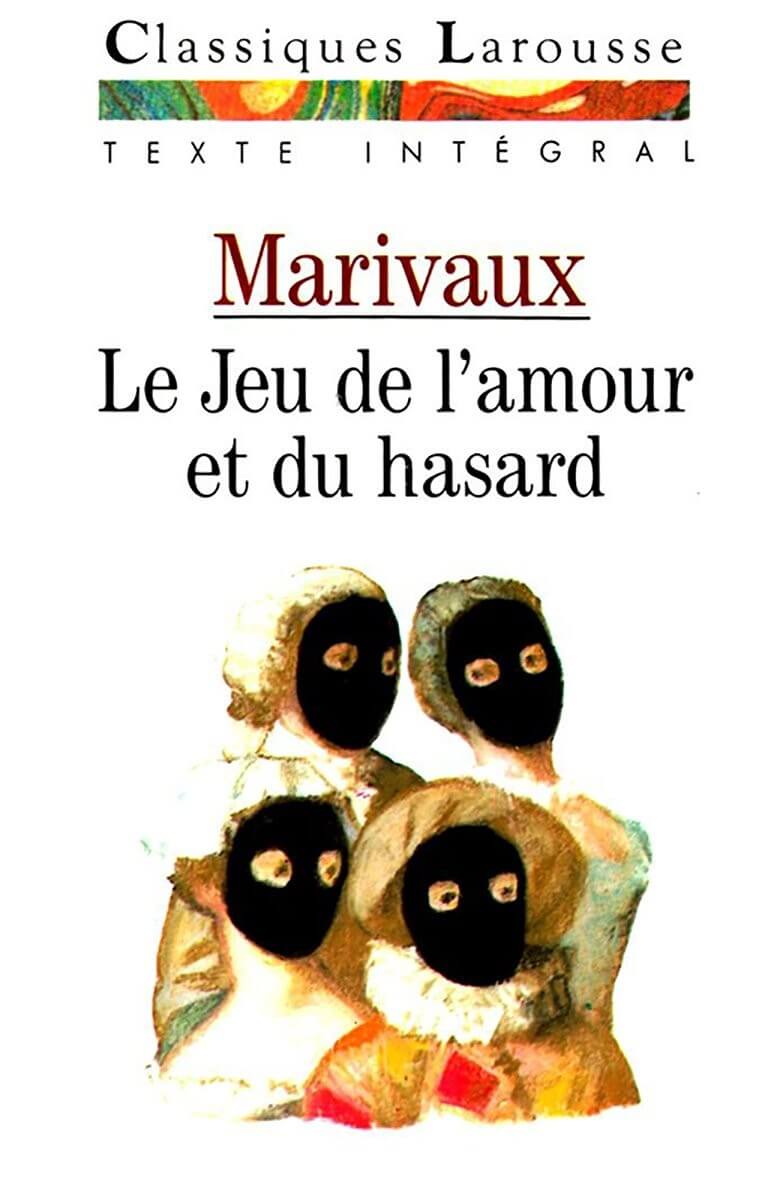
It is a play written by Marivaux in the epoch roughly of Watteau and Boucher - pretty, talkative people debating and falling in love and plotting small plots that are resolved by the end of the play - that centres around a headstrong young noblewoman, Silvia, who refuses an arranged marriage until she has had the chance to see her betrothed from a different perspective - from a servant's perspective. Her fear of being trapped in a loveless or abusive marriage is modern and not unreasonable. So she switches places with her maid Lisette, to the amusement of her meddling father Orgon and her teasing brother Mario. Then, to her shock, she believes that she is falling in love with the valet instead of the master.
Become a member of Alliance Française Palmerston North for exclusive offers and discounts.