Le testament
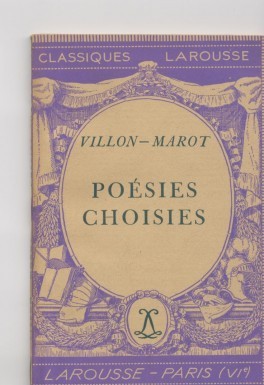
Le Lais - Poésies diverses
The writings of a medieval criminal as he looks back on his life, and the general situation of 15th century France. It is a pleasure to read his testament, which gives evidence of striking honesty and a witty mind. All the hardship he has experienced didn't break his sense of freedom and humor. Very positive.
Poésies
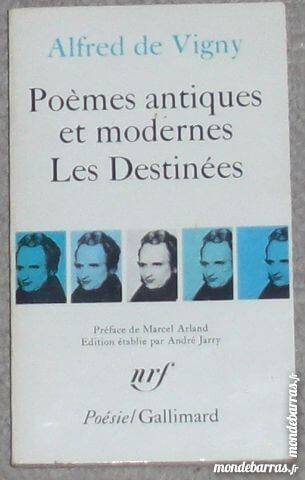
Poèmes antiques et modernes - Les destinées
Written over a period of a quarter of a century, de Vigny's final collection of poetry was published the year after his death, but probably in the order he intended. It is primarily concerned with poetry and metaphysics, with some political satire thrown in. The metaphysical poems, especially "Le Mont des Oliviers", made it clear that he was the kind of agnostic that Christians love -- the kind that takes religion seriously, despairs that he can't believe, and converts on his deathbed. The attitudes toward colonialism and women are as backwards as one could imagine. The poetry about poetry is better, but entirely Romantic. (In case you haven't guessed, I have a prejudice against Romanticism.) Now on to Balzac . . .
Oeuvres poétiques
Poèmes
Les caractères
It’s astonishing how immediate and relevant these late 17th century observations, anecdotes, and character sketches are, applied to today. I
think anyone capable of reading literature critically will find a friend in La Bruyère. He’s guided by an intense awareness of the folly of
reputation and popularity. The best men aren’t leading society and the most attractive women work too hard at it.
In our hopeless age we’ve confused this. Beauty itself is never at question. It’s that we turn beauty into a popularity contest that’s
what’s so wrong about it. Supposedly beauty should never be claimed because it’s too subjective. But it exists whether we like it or not.
The problem is when we try and claim it. This requires fascination. And that’s when politics and rhetoric enter into the equation. (Is there
anything more rhetorical in the world than the words “I love you”? Another English translation for La Bruyère’s observation has “despotic”
for “subjective”.) Meanwhile, beauty stands above opinion. Not unlike how poetry does, aided by those few poets who know how to claim it.
And from whom.
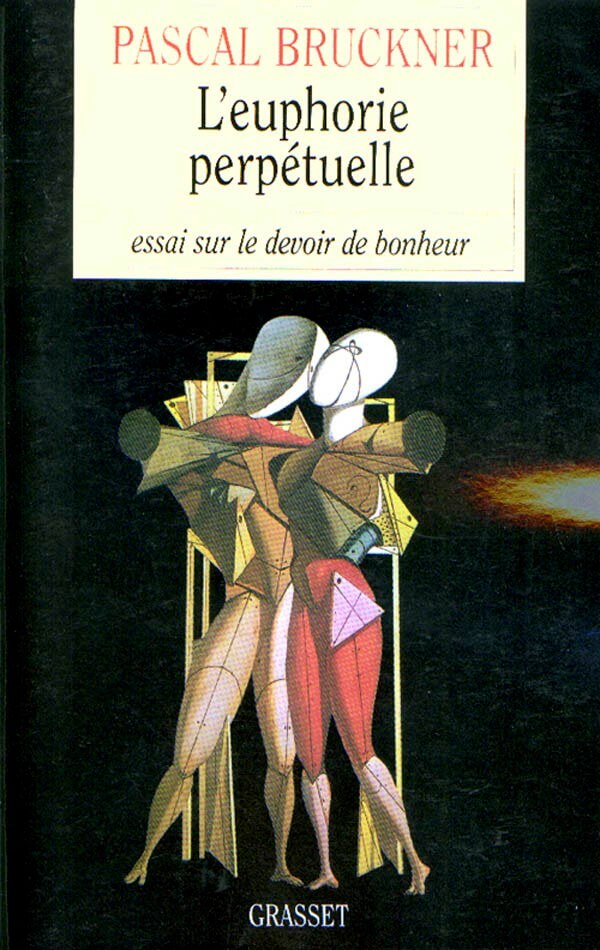
L'euphorie perpétuelle
essai sur le devoir de bonheur
Bruckner's overarching idea is that our constant quest for happiness has become a burden of anxiety. He divides this lecture into two parts: the first part focuses on Christian Europe's concern for salvation. The lecture's second part focuses on contemporary society's injunction to be happy.
Descartes textes choisis
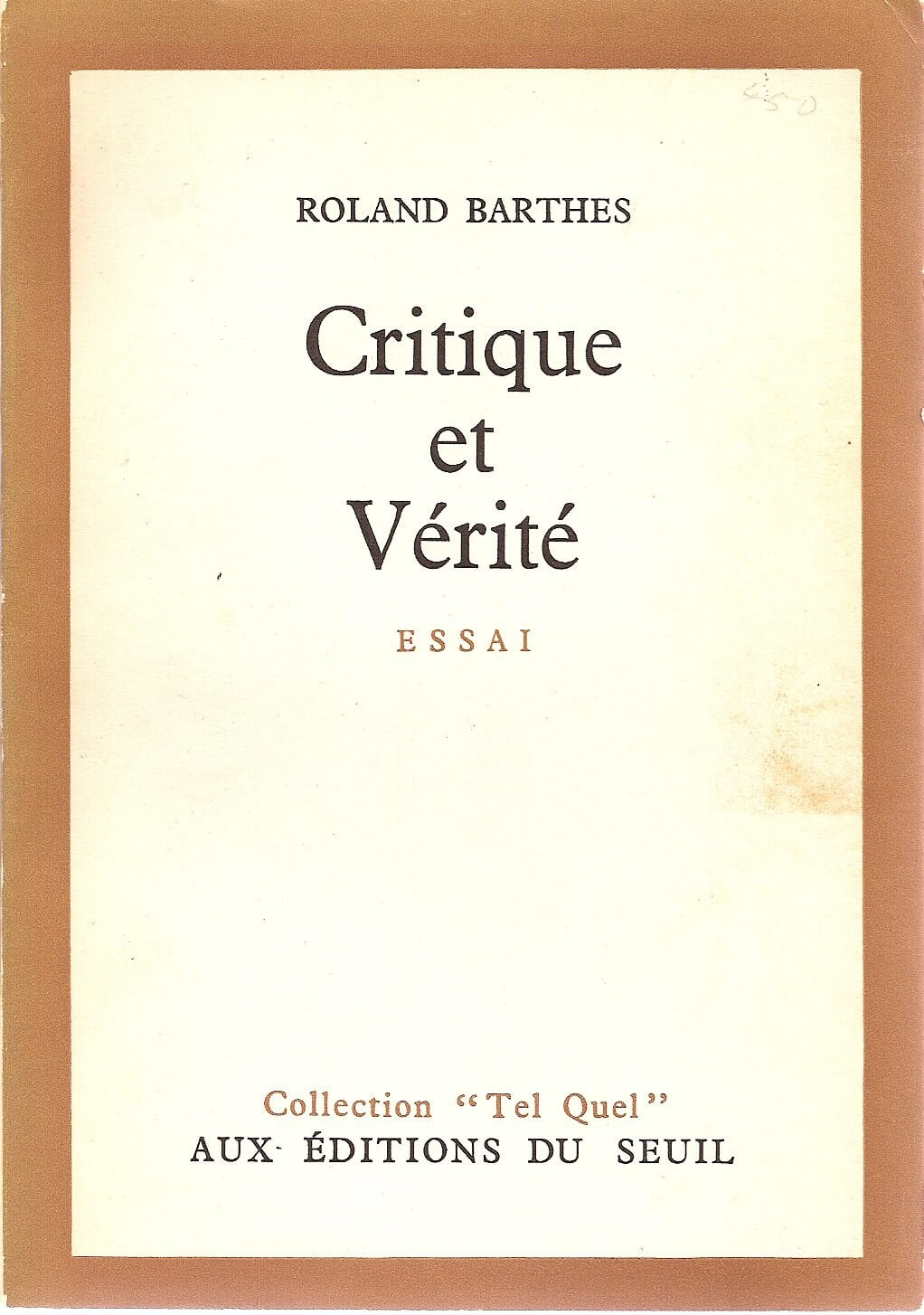
Critique et vérité
A must-read critique of Old Criticism or "The institution's criticism." He goes on greatly explaining what an alternative
criticism should be (concerned with meaning) rather than the regular criticism that is concerned with forms and language philologically.
Barthes writes at the end: "To read is to desire the work, to want to be the work, to refuse to echo the work using any discourse other
than that of the work." He adds later: "Criticism is only a moment in the period of history which is beginning and which leads us
to unity - to the truth of writing."
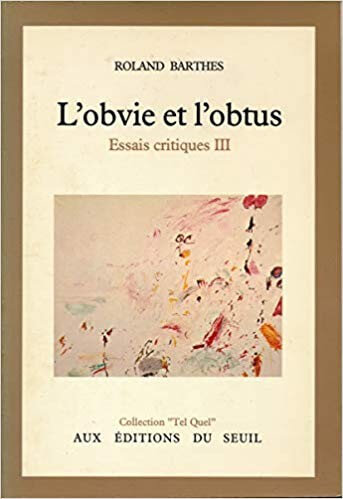
L'obvie et l'obtus
What makes Barthes great—among many, many things—is his willingness and ability to allow rational thought to break down into ambiguity during moments that can’t be quantified, verbalized. This is when Barthes truly shines, as he always manages to pull out a thread of insight—analytical, visceral, or otherwise—that significantly illuminates the issue at hand. It is no wonder, then, why he turned to music at the end of his life, as the abstractness and visceral nature of music requires the critic to be at home with ambiguity and that which can’t always be clearly captured with words.
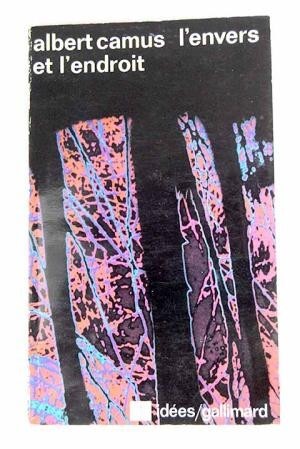
L'envers et l'endroit
It's about the meaning of being happy and how this connects to being unhappy. Also themes like ageing, death, loneliness. All in a really beautiful and sad way.
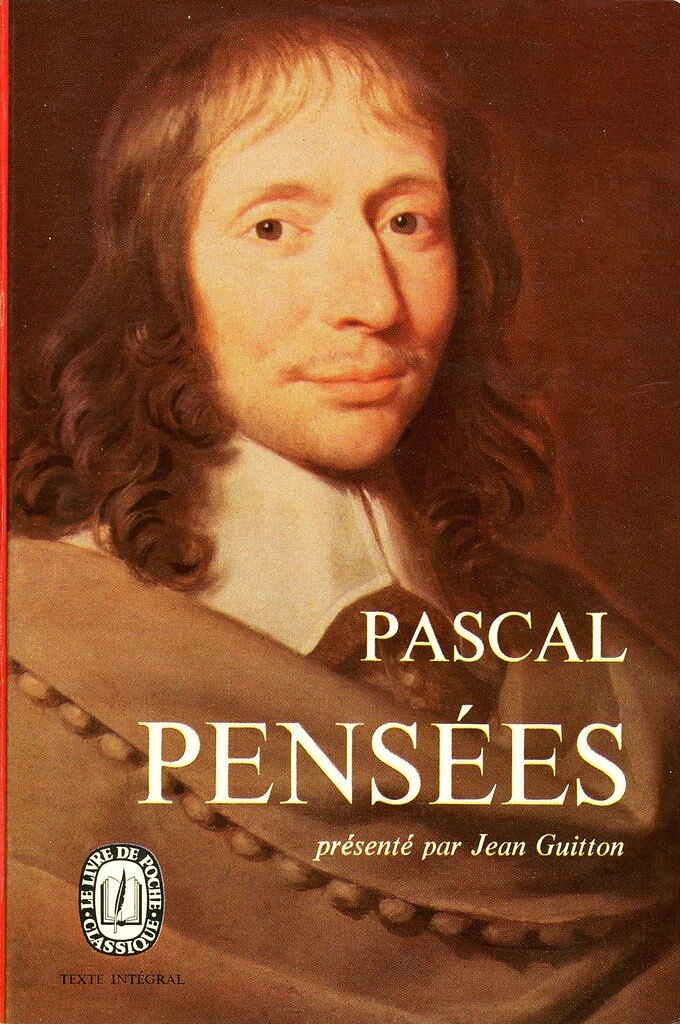
Pensées
Blaise Pascal, the precociously brilliant contemporary of Descartes, was a gifted mathematician and physicist, but it is his unfinished apologia for the Christian religion upon which his reputation now rests. The Penseés is a collection of philosohical fragments, notes and essays in which Pascal explores the contradictions of human nature in pscyhological, social, metaphysical and - above all - theological terms. Mankind emerges from Pascal's analysis as a wretched and desolate creature within an impersonal universe, but who can be transformed through faith in God's grace